Made in Beverly Hills: On the Artisans Who Built This City, and the Atelier That Remains
There is a particular quality to a garment made in the same room where you are standing. Not a mystical quality — a practical one. The tailor who cut the cloth is available to answer a question. The fitting can happen today rather than after a transatlantic shipment. The person responsible for the work has a direct stake in your satisfaction, because you will be back, and the city is small, and the work speaks for itself. For most of the twentieth century, Beverly Hills was full of places that operated this way. It is no longer. We are one of the few that remain.
A City of Makers
The Beverly Hills that most people picture today — Rodeo Drive, the designer flagships, the window displays of European fashion houses — is a relatively recent invention. For much of the city's history, the luxury on offer was not imported. It was made here, by people who had set up their shops on the same streets where their customers lived and worked.
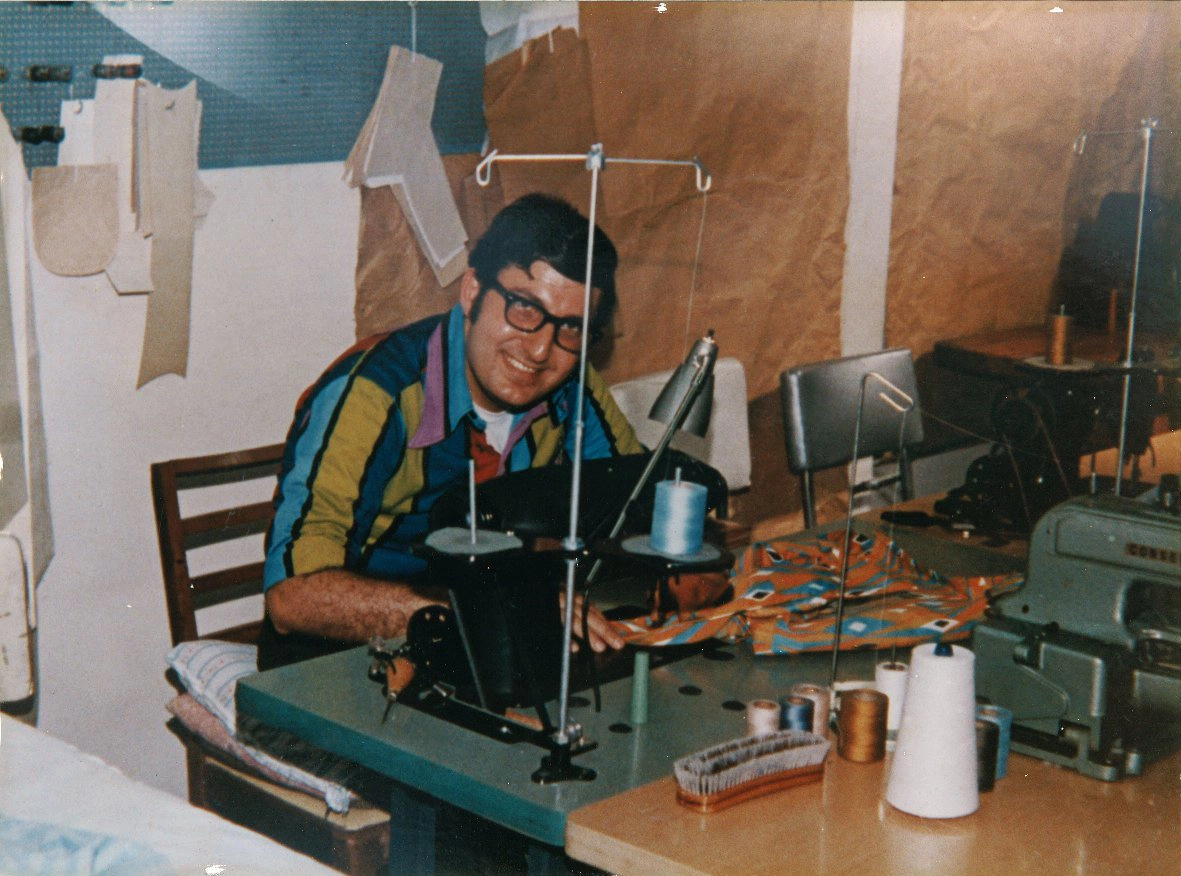
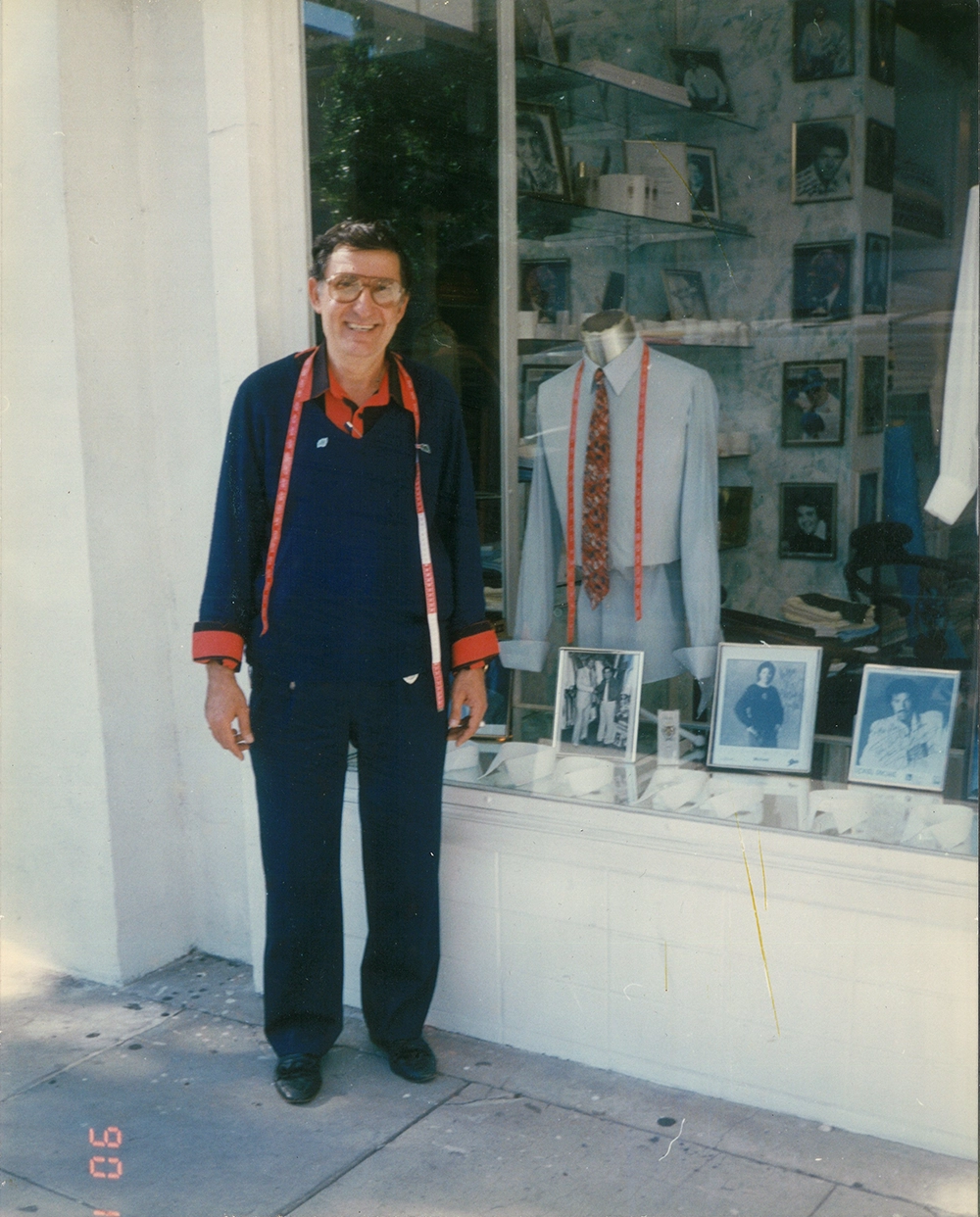
There were cobblers who made shoes to order and repaired them for decades. Hatmakers. Jewelers who fabricated pieces in the back and sold them in the front. And tailors — proper tailors, who cut and sewed on the premises, who kept your measurements on a card and knew your preferences without being asked. Among the most celebrated was Giacomo Trabalza, a master craftsman whose atelier became a destination for those who understood the difference between a suit that was purchased and a suit that was made. These were not boutiques in the modern sense. They were workshops that happened to face the street.
The distinction matters. A workshop and a boutique have different relationships to the object they sell. A boutique curates. A workshop creates. When you walked into one of these ateliers, you were not browsing an inventory — you were commissioning something that did not yet exist, from a person who would make it with their own hands, in the room behind you.
The Turning Point
In 1961, Fred Hayman opened Giorgio Beverly Hills at 273 North Rodeo Drive. It was, by all accounts, a singular place: relaxed and festive where other luxury retailers were formal and restrained, with a tennis court in the back and a bar near the front and an atmosphere that felt more like a private party than a shop. Hayman understood something that traditional retailers did not — that the experience of buying could be as compelling as the thing being bought. Giorgio's became a cultural phenomenon. It put Beverly Hills on the map as a retail destination in a way nothing had before.
And it began a shift that, over the following decades, would remake the character of the city entirely.
When Hayman sold Giorgio Beverly Hills in 1987, the price — $165 million — announced to every major fashion house in Paris and Milan that Rodeo Drive was worth having. What followed was an orderly displacement. One by one, the local craftsmen gave way to international brands. The cobblers and tailors and jewelers who had made things on the premises were replaced by flagships that sold things made elsewhere, expensively, and stored in backrooms with perfect climate control. The workshops became showrooms. The makers became buyers.
The luxury that replaced them was real luxury — but it was a different kind. Imported. Finished before it arrived. Complete in itself, with no room for you inside the making of it.
What Making Here Actually Means
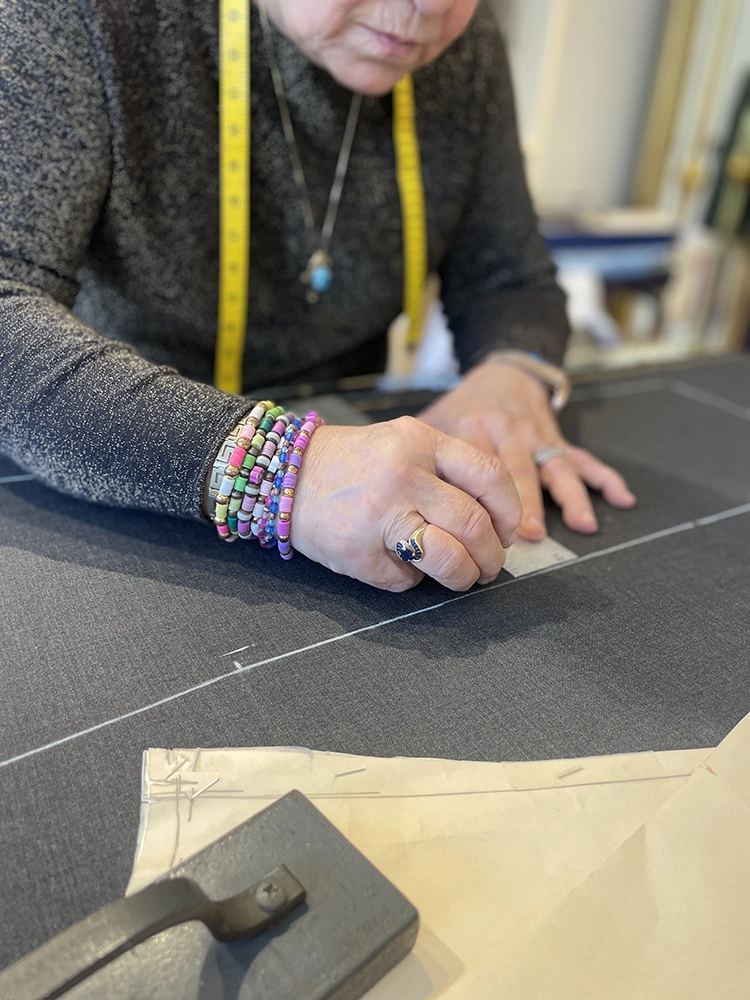
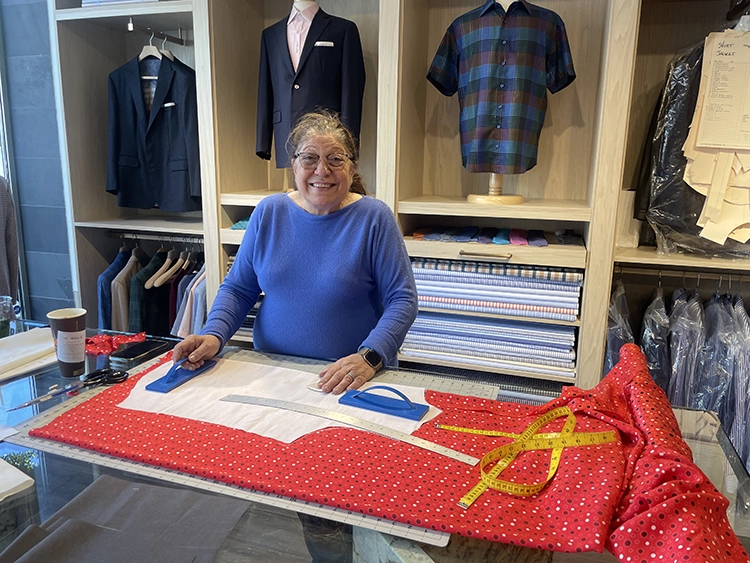
We have been at this for more than sixty years. The atelier is at 229 South Beverly Drive. The cutting table, the pressing iron, the sewing machines — they are in that building, and the garments are made on them, by us, one at a time. This is not a brand story. It is a description of a practice.
Making on site means that quality is observable at every stage. There is no offshore production to inspect by photograph, no third-party factory whose standards you are trusting. When a shirt is cut, the person who cut it is available to discuss the cut. When a jacket is sewn, it can be tried on before the seams are finished, while there is still time to make changes. The process is iterative in a way that remote production never can be, because the conversation between maker and client does not end when the order is placed.
It also means that the knowledge stays. Bespoke tailoring is not a skill that transfers easily across supply chains. It accumulates over years of practice, of specific fabrics and specific bodies and the particular problems that arise when you are trying to make something fit a person precisely rather than approximately. That knowledge lives in the hands of the people who do the work, and those people are here, at this address, doing this work — not managing it remotely or overseeing it at a distance.
The Process, From Cloth to Garment
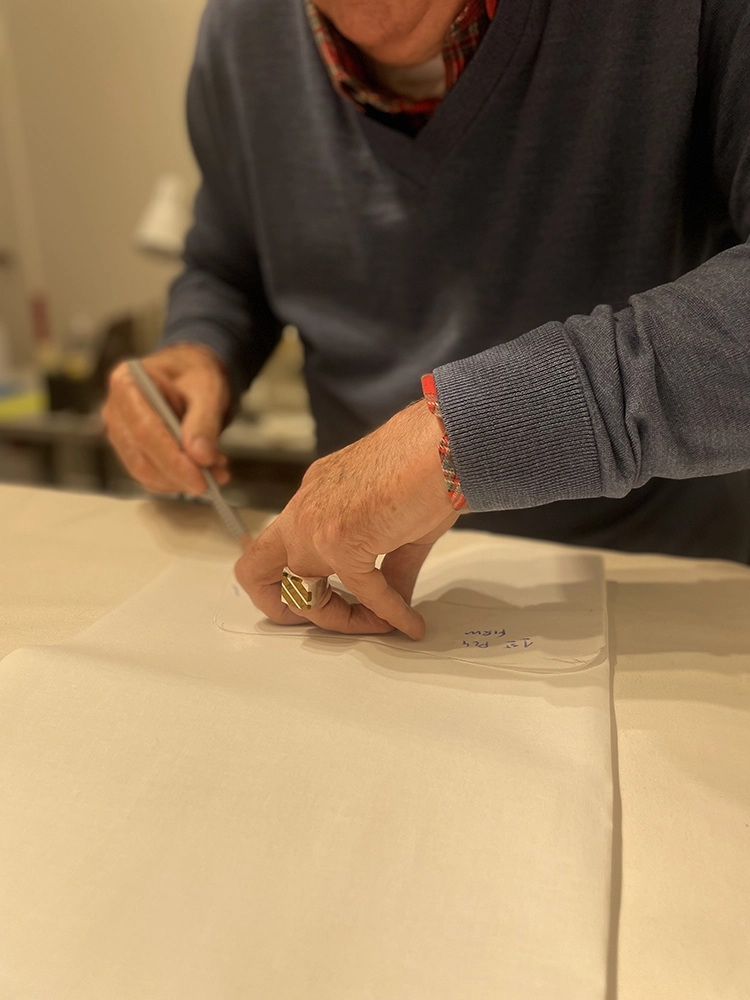
Every garment begins the same way: with a conversation about what you need and what you want, which are often related but not identical. We ask questions that a retailer would not ask — about how you carry your shoulders, how you like to move, what occasions you are dressing for, what has worked and what has not in garments you have owned before. The measurements follow, and then the pattern, which is made specifically for you and kept on file.
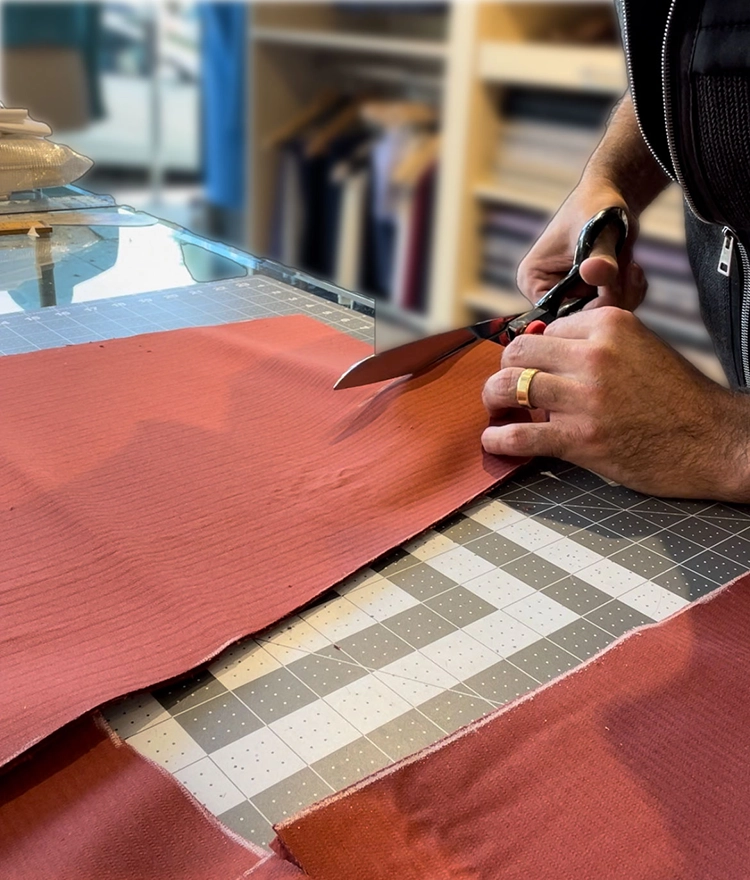
The cloth is cut by hand on our cutting table. Each piece is checked against the pattern before any sewing begins. The construction follows the sequence that traditional tailoring requires: basting before finishing, fitting before final seams, pressing at each stage to set the shape as it is built rather than forcing it into shape at the end. A bespoke garment is not assembled and then fitted. It is fitted as it is assembled, which is an entirely different thing.
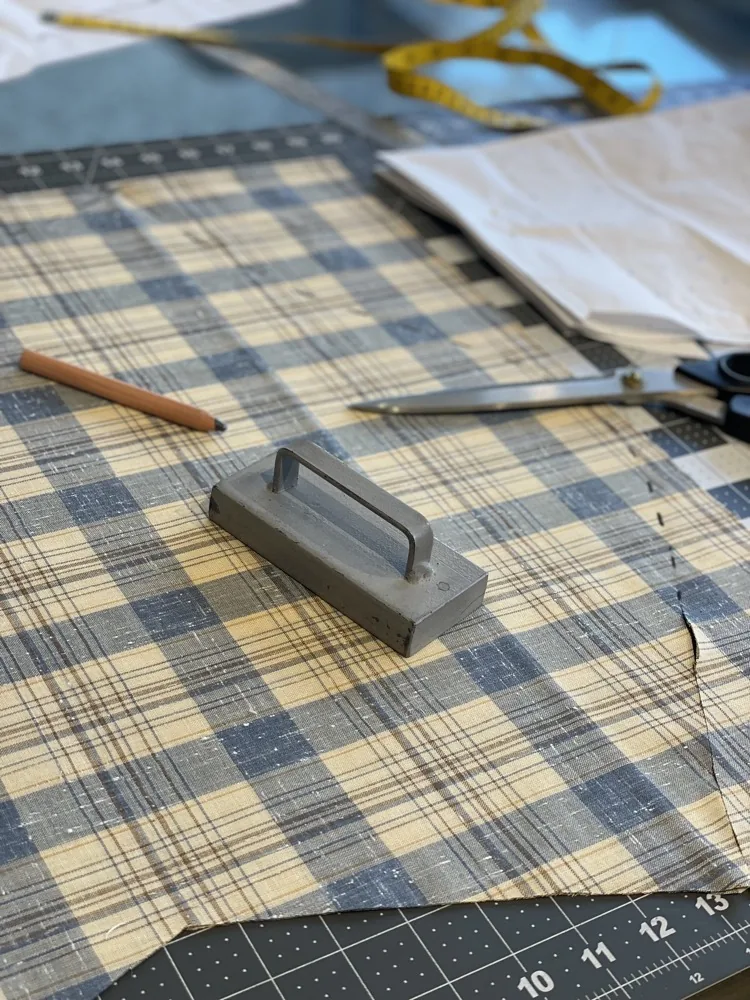
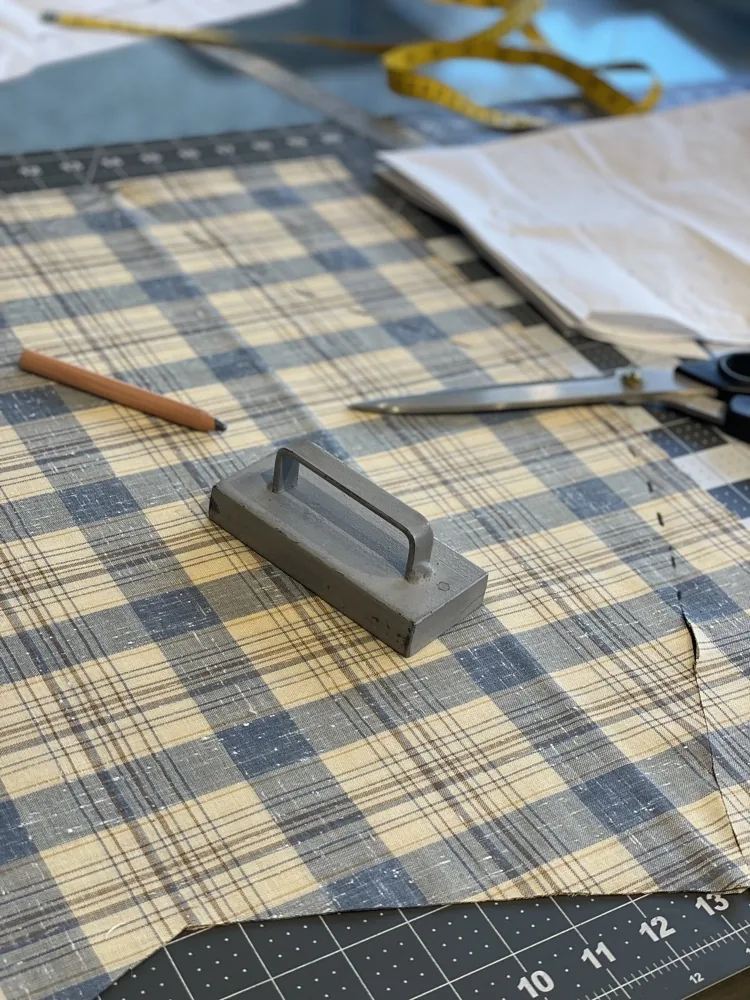
The process is deliberately slow. Not inefficiently slow — deliberately slow. The measurements that take thirty minutes to record save hours of alteration later. The fitting at the baste stage, before any permanent stitching, catches problems while they are still inexpensive to correct. The hand-finishing at the end — buttonholes, buttons, the final pressing — takes time that a machine could not replace without changing the nature of the result.
Your Place in the Process
One of the things that distinguishes bespoke from every other category of clothing is that the client can be as involved as they choose to be. Some clients prefer to give us their requirements and return when the garment is finished. Others want to be present at fittings, to see the cloth before it is cut, to understand each decision as it is made. Both are entirely valid ways to commission clothing, and we accommodate both without preference.
What matters is that the connection exists — that at some point in the process, you are able to see how a piece of raw cloth becomes the specific garment you will wear. This is not sentimentality. It changes your relationship to the object. A suit you watched being made is not the same as a suit you collected from a rack. You know what is in it. You know the decisions that were made on your behalf. You know that when the tailor adjusted the shoulder angle, she was adjusting it for your shoulder, not for a size chart's approximation of one.
We are not selling you a finished product. We are inviting you into a process — and the finished product is what that process produces when it is done well.
An Unrelenting Commitment
Beverly Hills is still, by most measures, a city of luxury. But most of that luxury now arrives complete, made far away by people you will never meet, in quantities calibrated to a market rather than to you. There is nothing wrong with this — much of it is beautiful and well-made — but it is a different proposition than what the ateliers of the previous generation offered, and the difference is worth being clear about.
What we offer is not nostalgia for the Beverly Hills that was. It is a continuing practice of the thing that made those ateliers worth remembering: the commitment to making something specific for someone specific, by hand, with full accountability for the result. That commitment does not get easier over time. It does not benefit from scale or efficiency. It requires the same attention on the ten-thousandth garment as on the first.
We make clothing in Beverly Hills because we have always made clothing in Beverly Hills, and because we believe that where something is made — and how, and by whom — is inseparable from what it is. The label inside the garment reads Mr. Alex Couture — Beverly Hills. That is not a marketing decision. It is a statement of fact about where the garment was made, and a commitment about the standards that fact implies.
The atelier is open at 229 South Beverly Drive. Come in.